


Room Design
Choosing Colors for a Log Cabin Interior: What Actually Works
Mar
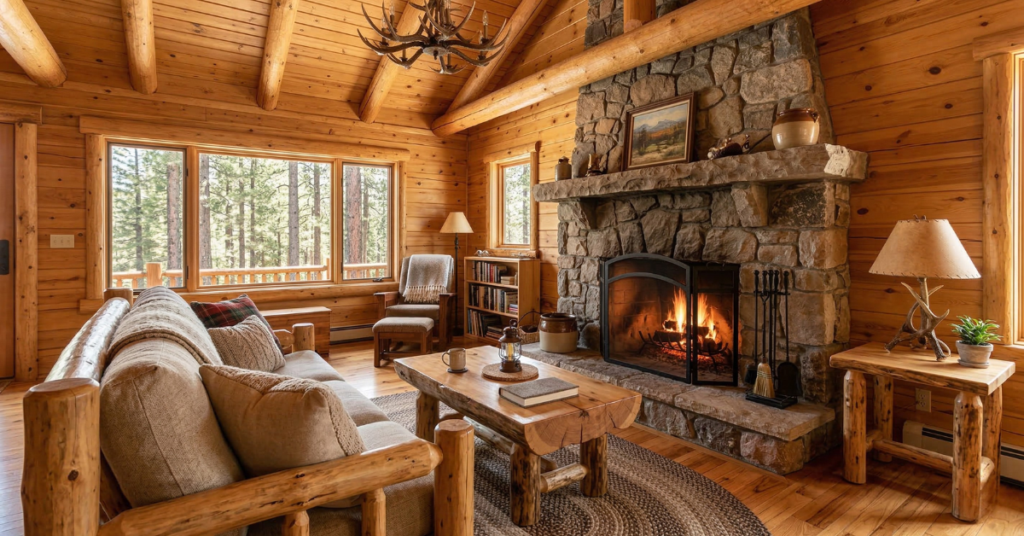
Walk into a well-designed log cabin, and the wood does most of the talking. The grain, the texture, the warmth, it all works together in a way that painted walls just can’t replicate. But that same richness can also make color decisions feel surprisingly difficult.
If you’ve ever stood in a paint aisle holding a dozen swatches, second-guessing every one of them against your knotty pine walls, you’re not alone. This is one of the most common questions we hear from cabin owners. The good news is that a few solid principles go a long way toward cutting through the confusion.
Start by Understanding Your Wood Tone
Not all cabin wood looks the same, and the right color palette for your space depends heavily on what you’re working with. Most cabins fall into one of two camps:
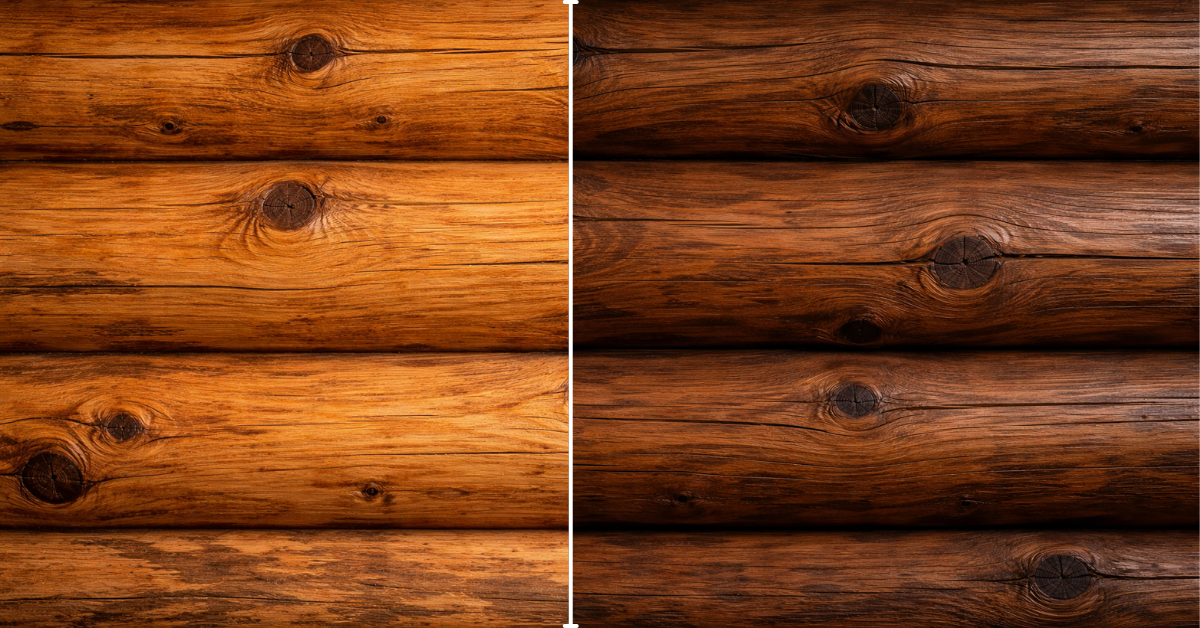
Honey or Orange Pine
Knotty pine and similar light-colored logs bring a bright, golden quality to a room. It’s a welcoming look, but when floors, walls, and trim all share that same warm tone, the orange can start to feel like the only thing in the room.
Dark Cedar or Brown Logs
Darker woods and stained logs give a cabin a more dramatic, moody feel. The risk here is different — rather than too much orange, the danger is a room that starts feeling cave-like if the surrounding colors are too heavy.
Knowing which tone you have makes every decision that follows easier.
What Paint Colors Work With Log Cabin Walls?
One mistake cabin owners make is trying to match the wood. It seems like the logical approach, but in practice, matching tends to flatten the room — everything blends together and you lose the contrast that makes the wood look beautiful in the first place.
What tends to work better is choosing colors that complement the wood rather than compete with it or copy it. Here’s what that looks like in practice:
Warm Neutrals
Cream, soft beige, and warm gray are workhorses in log home interiors for good reason. They soften the intensity of pine without draining the warmth from the space. Sherwin-Williams’ Rustic Refined color collection is a great place to browse options — it’s built around exactly these kinds of earthy, wood-friendly tones. If you’re not sure where to start, a warm neutral is almost always a safe bet.
Muted Greens
Sage and olive greens show up in a lot of well-executed log home interiors, and it’s easy to see why. Green sits opposite warm tones on the color wheel, which means it creates natural balance without making the room feel cold. Benjamin Moore’s Cozy Cabin color palette specifically calls out shades like Jack Pine for cabin interiors — it’s worth a look if you want to see these colors in context. These shades tend to feel calm and grounded, right at home in a rustic space.
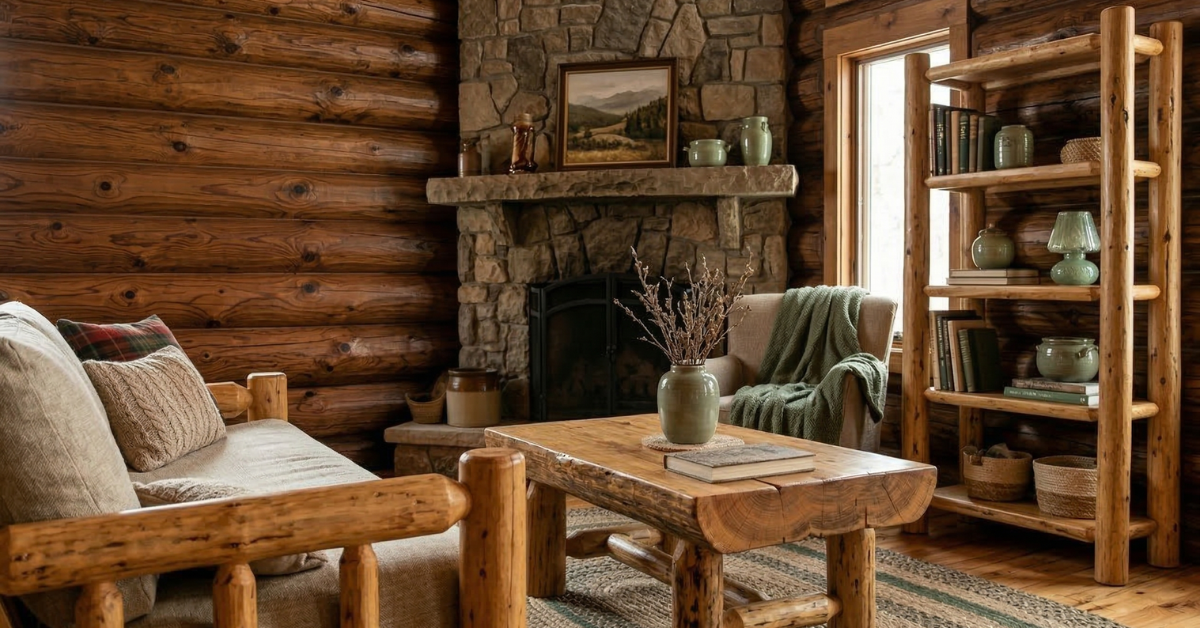
Soft Blue-Greens
When pine is running particularly orange, a pale blue-green can do a nice job of dialing things back. This works especially well in bedrooms and bathrooms, where you want the warmth of the wood without the room feeling like it’s glowing.
Paint manufacturers will tell you to pay attention to undertones, and they’re right. Warm woods like pine carry orange and red undertones — which is exactly why cooler muted tones balance them out so well.
Countertops in a Log Cabin Kitchens
Kitchen decisions get complicated fast when floors, cabinets, and walls are all wood. The room can start to feel heavy before you’ve even added a single piece of furniture. Lighter countertops are usually the most effective fix.
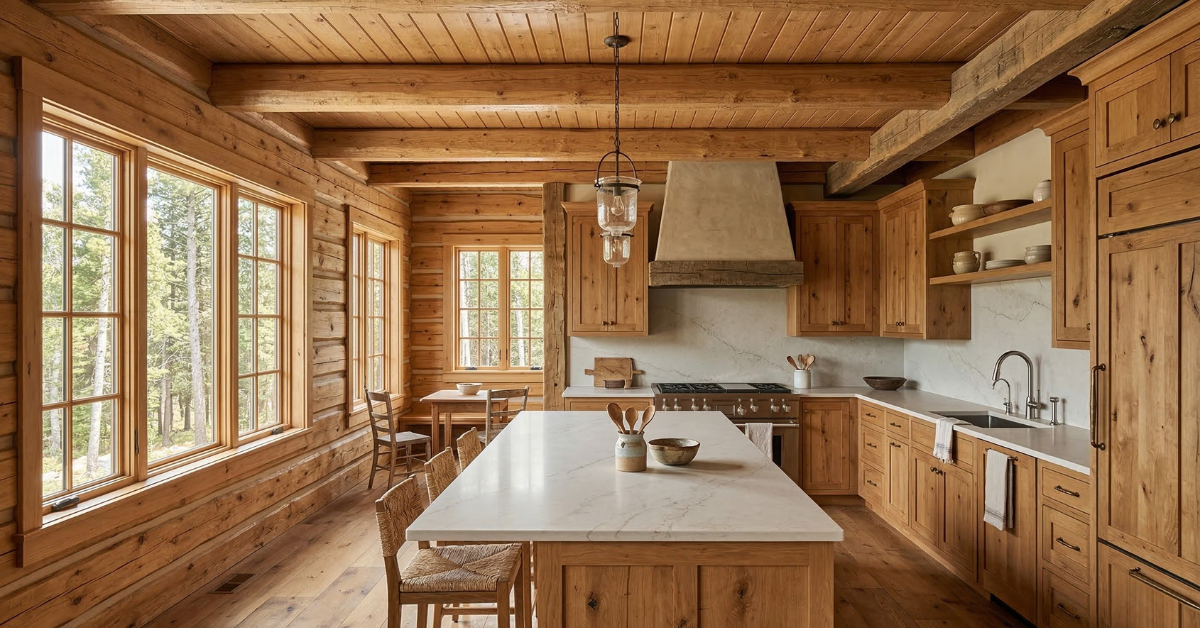
Light Stone Surfaces
Granite or quartz in cream, light gray, or soft white breaks up all that wood and bounces light around the room. It doesn’t have to be stark, even a warm off-white does the job.
Stone with Natural Variation
Flat, solid-colored surfaces can feel a bit sterile against organic materials like log walls. Stone with gentle veining or variation tends to look more at home in a rustic kitchen, the movement in the stone complements the character of the wood rather than clashing with it.
Avoid Matching the Cabinets
If your countertops match your cabinets in both tone and warmth, they’ll visually merge. A little contrast, even subtle, gives the eye somewhere to land and makes the whole kitchen feel more intentional.
Should Cabinets Match Log Cabin Walls?
This depends on how much contrast you want in your kitchen, but most cabin interiors benefit from some separation between cabinets and walls.
Keeping Cabinets Natural Wood
There’s nothing wrong with wood cabinets in a log home, just plan to get your contrast elsewhere. A lighter countertop, a tiled backsplash, or well-chosen lighting can all provide the visual break the room needs.
Painted Cabinets
Painted cabinets have become popular in cabin interiors, and for good reason. Soft whites, muted greens, and even charcoal can introduce contrast without overwhelming the log walls. The key is staying in muted, non-glossy territory, anything too bright or shiny can feel out of place in a rustic space.
Using Décor to Balance Wood Interiors
Paint and countertops aren’t the only levers you have. Décor plays a bigger role in color balance than most people expect, and it has the added advantage of being easy to change. HGTV’s photo gallery of real log cabin interiors is genuinely useful here — browsing how designers have handled rugs, textiles, and wall treatments in real log homes gives you a much better feel for what works than any list can.
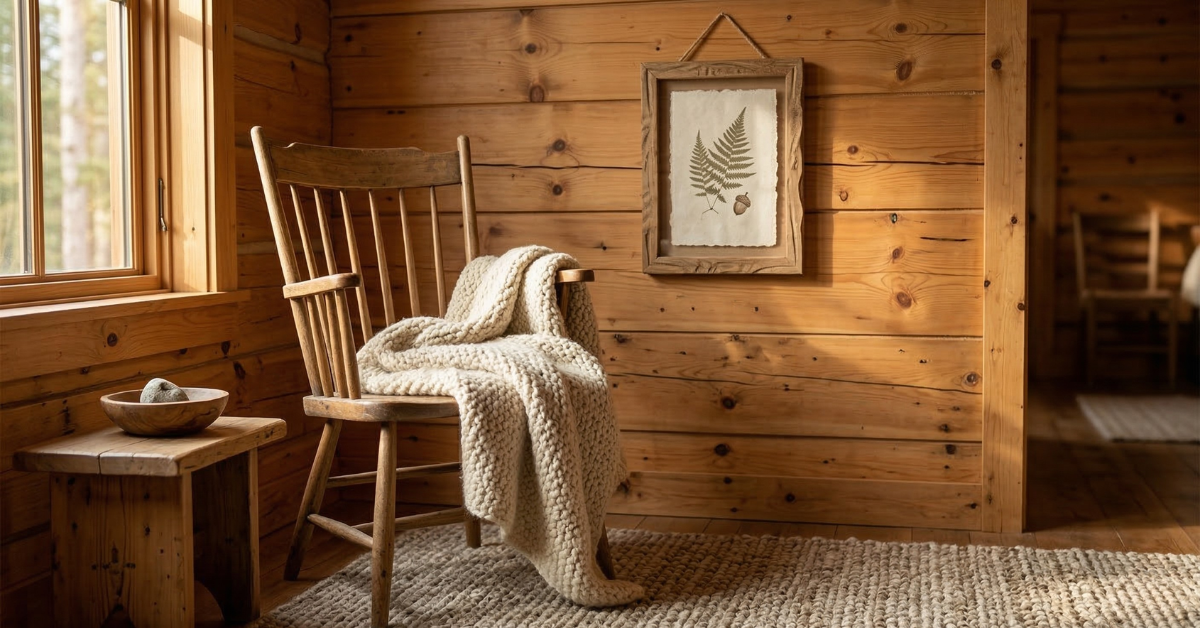
Because log walls already bring so much texture and visual interest to a space, décor tends to work best when it’s kept relatively simple. A few things that make a real difference:
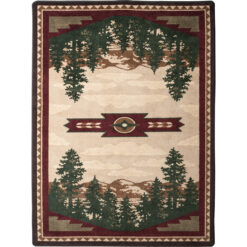
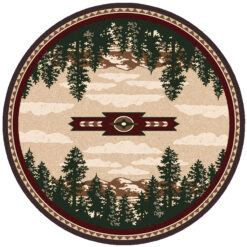
- Area rugs, in lighter tones, break up wood floors and anchor the room
- Wall art with lighter backgrounds adds contrast without committing to a paint color
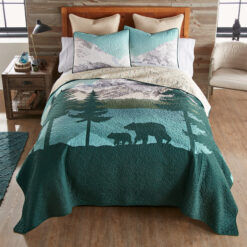
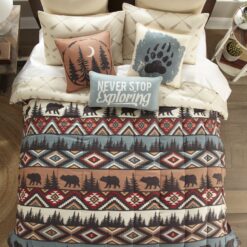
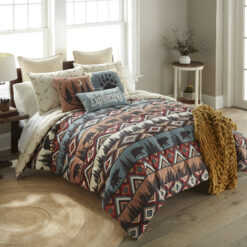
- Throws and textiles soften the room and introduce color gradually
If you want more ideas on introducing color gradually, you may enjoy our article on Adding Color to Your Rustic Cabin.
Quick Reference: Color by Wood Tone
If you want a simple starting point, these general rules work well in many cabins.
For Honey or Orange Pine
The goal is to calm down the warmth without making the room feel cold.
- Warm neutrals: cream, soft beige, warm gray
- Muted greens: sage, olive
- Soft blue-greens when the orange is especially strong
For Dark Cedar or Brown Logs
The goal is to keep the space from feeling too heavy or dim.
- Warm whites on ceilings and trim
- Lighter stone surfaces in kitchens and bathrooms
- Soft neutral paints that won’t close in the room
Color Combinations To Avoid
These pairings come up repeatedly in decorating questions — usually because something feels off and the homeowner isn’t sure why:
- Bright blue with orange pine: the contrast is too sharp and feels jarring rather than balanced
- Yellow paint with yellow wood: the room becomes one-note
- Very dark paint in an already-dark log interior: it can make a cozy space feel like a bunker
Highly saturated colors are almost always a problem with natural wood. The wood itself has so much going on visually that strong colors tend to fight it rather than work with it. When in doubt, go softer.
Frequently Asked Questions
What paint colors go with knotty pine walls?
Warm neutrals, muted greens, and soft blue-greens are the most reliable choices. They work with the orange and yellow undertones in pine rather than against them.
Should cabinets match log cabin walls?
They don’t need to. In fact, most kitchens look better with some contrast between cabinets and walls. Painted cabinets or lighter countertops are common ways to create that separation.
How do I make a log cabin feel less orange?
Introduce cooler accent colors, sage green and muted blue-green are both effective. Rugs and textiles also help by breaking up large expanses of warm wood.
Are dark colors ever okay in a log home?
Yes, in the right context. Dark tones can work well with lighter pine interiors, where they add depth. In already-dark cedar cabins, use them sparingly, stick to accent walls or smaller spaces rather than painting an entire room.
Final Thoughts
Log homes start with an advantage most houses don’t have, the material itself is beautiful. The goal with color isn’t to cover that up or reinvent it. It’s to choose colors that give the wood room to breathe and help the space feel balanced.
Small changes, a paint color, a new rug, lighter countertops, can shift the feel of a room significantly. Start with the wood tone you have, lean toward softer and more muted options, and trust that a little contrast goes a long way.
