



Room Design
How to Furnish a Cabin Without Overdoing the Rustic Look
Feb
If you have ever walked into a cabin and thought, “This is beautiful, but it feels like a lot,” you are not alone. This comes up again and again among cabin owners, hosts, and people furnishing homes. Most of the time, the problem is not the furniture itself. It is how much of it is trying to make a statement at once.
The good news is that you do not need to change what you love about rustic style. A few thoughtful decisions can make a cabin feel warm, welcoming, and lived in rather than heavy or crowded.
Start with one piece that sets the tone
In cabin forums and homeowner discussions, a common theme shows up: rooms start to feel overwhelming when every piece is meant to stand out. Beds, tables, chairs, and décor all compete for attention.
A gentler approach works better. Choose one anchor piece per room and let everything else support it.
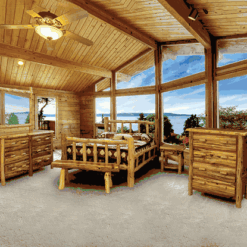
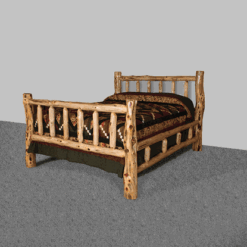
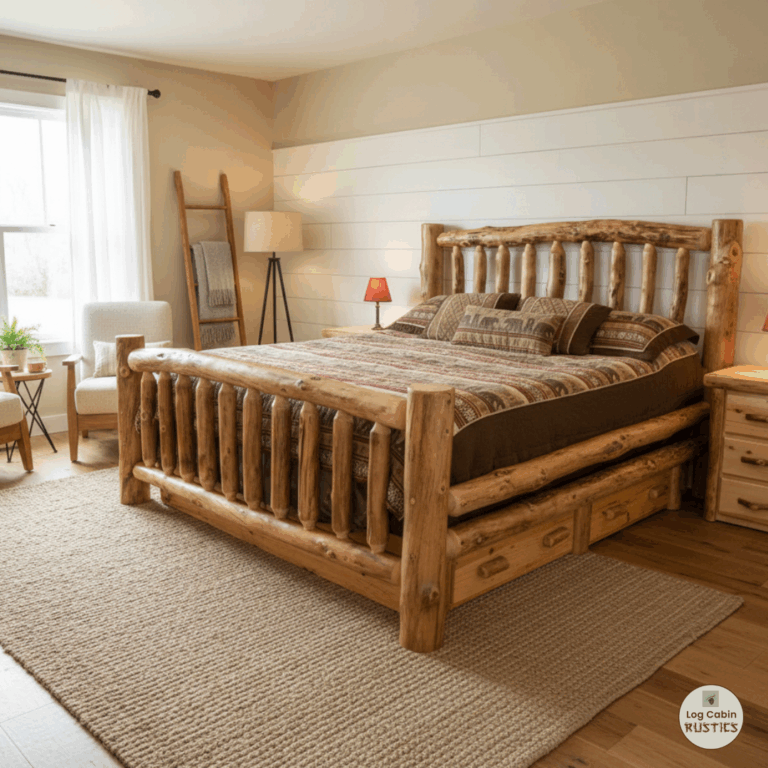
In a bedroom, that anchor is often the bed. A well made log bed instantly establishes the mood, which means the nightstands, lighting, and décor can stay simpler. You do not need to “match” everything for the room to feel finished.
Why matching furniture sets often disappoint
Many people assume matching sets will make a room feel pulled together. In practice, the opposite often happens. Long-time cabin owners frequently mention that full matching sets looked safe online, but felt bulky once everything was in the room.
Rustic spaces can benefit from variation. Different shapes, finishes, and textures feel more natural and closer to how cabins actually evolve over time.
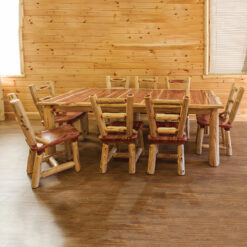
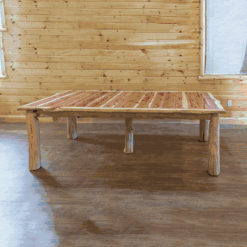
If you want cohesion without repetition, repeat materials instead of furniture styles. For example, let the dining table and a bench share the same wood tone, while the chairs or sideboard bring in something lighter.
Mixing wood tones is normal and usually better
One of the most common worries people share online is mixing wood tones. Many ask whether pine will clash with hickory, or whether lighter woods may ruin a rustic look.
Across design and cabin focused communities, the feedback is consistent. Mixing wood tones is not a mistake. In fact, it often makes a room feel more relaxed and less staged.
A simple rule that comes up often is this: let one wood tone lead, add one supporting tone, then break things up with textiles or décor. Rugs, runners, and wall pieces give the eye a place to rest.
For a good discussion on this from everyday homeowners and designers, this Reddit thread is worth reading.
You rarely regret prioritizing comfort
When people look back on furnishing decisions, one thing almost never shows up as a regret. Comfort.
Cabin owners regularly say they wish they had prioritized comfort sooner, especially for beds and dining seating. A beautiful piece that is uncomfortable tends to get replaced. A comfortable one becomes part of the cabin’s history.
This matters even more in cabins that host family or guests for long weekends. Comfortable beds and dining seating quietly do more for the experience than most decorative upgrades.
Leave space for the cabin to breathe
Another pattern that shows up in cabin discussions is the idea of breathing room. When every wall, corner, and surface is filled, rustic spaces start to feel closed in.
You do not need to fill every spot. Open floor space, clear sightlines, and a few empty surfaces help the natural materials shine.
Many people find that removing one piece actually improves a room more than adding something new.
Let décor do the lighter work
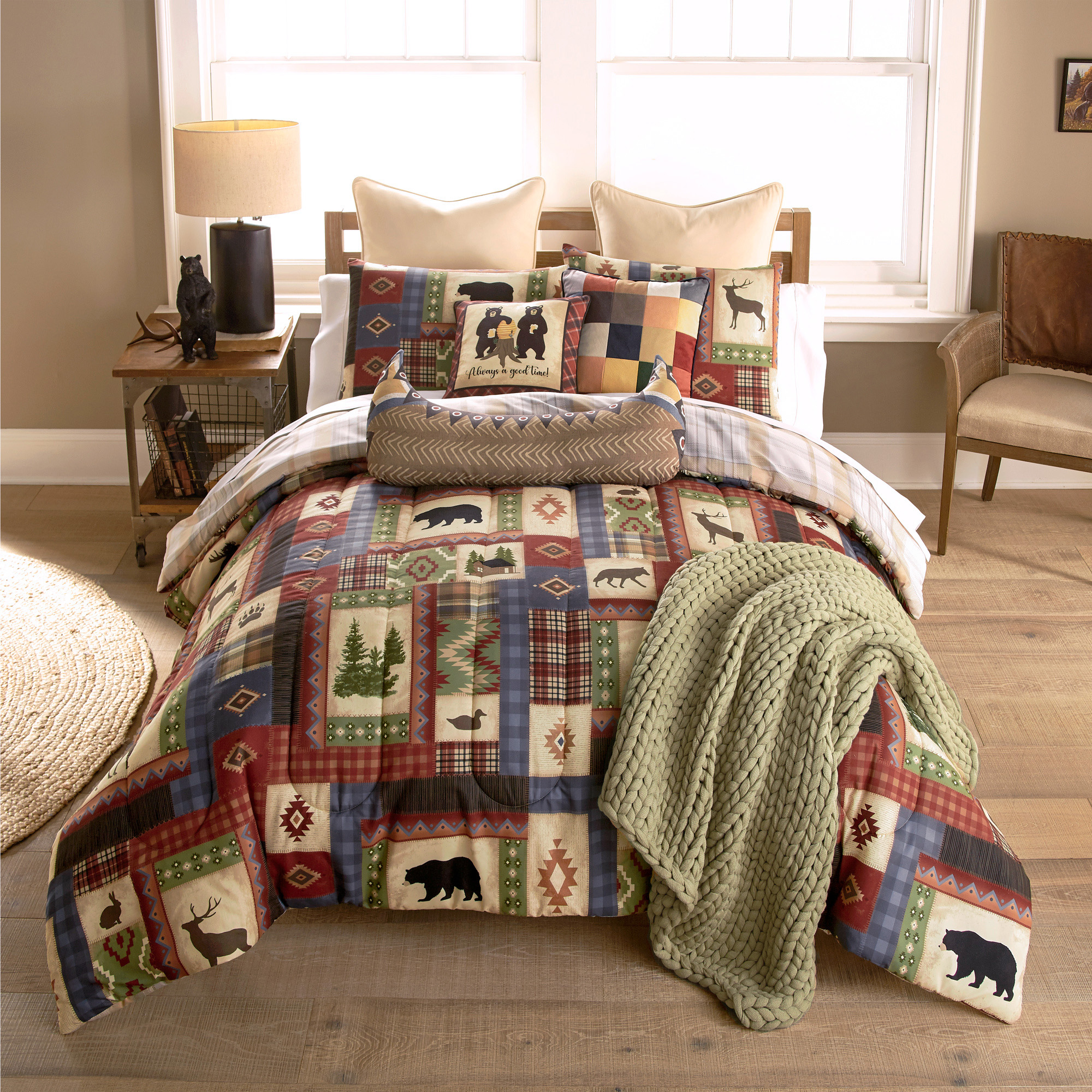
Décor is where you can soften and balance heavier furniture. Rugs, throws, wall art, and lighting are easier to change and help prevent the space from feeling too dark or dense.
This is also where seasonal changes work best. Lighter textiles in summer and richer tones in fall and winter keep the cabin feeling fresh without constant furniture changes.
A calm approach works best
Across forums, host communities, and homeowner conversations, the most reassuring takeaway is this: you do not need to get everything right at once.
Cabins feel best when they grow slowly. Start with the pieces that matter most, live with them for a while, and add as needed. Rustic style is forgiving when you let it be.
If your cabin feels a little heavy or cluttered right now, it is not a failure. It is just a sign that one or two small changes could make the space feel more like home.
Frequently Asked Questions
How much rustic furniture is too much in a cabin?
Many cabin owners find that spaces feel heavy when every piece is large, dark, or highly detailed. Choosing one main rustic piece per room and keeping the rest simpler often creates a more comfortable balance.
Should all the wood in a cabin match?
No. Mixing wood tones is very common in cabins and often makes the space feel more natural. Let one wood tone lead, add a second supporting tone, and use rugs or décor to break things up.
What furniture should I buy first for a cabin?
Beds and dining tables are usually the best place to start. These pieces get the most daily use and set the tone for the rest of the space.
Is rustic furniture practical for everyday use?
Yes, as long as comfort and scale are considered. Well-made rustic furniture is designed to be lived with, not just looked at.
